- Sep 10
Unmistakably yours: the case against sameness in flower farming
- 2 comments
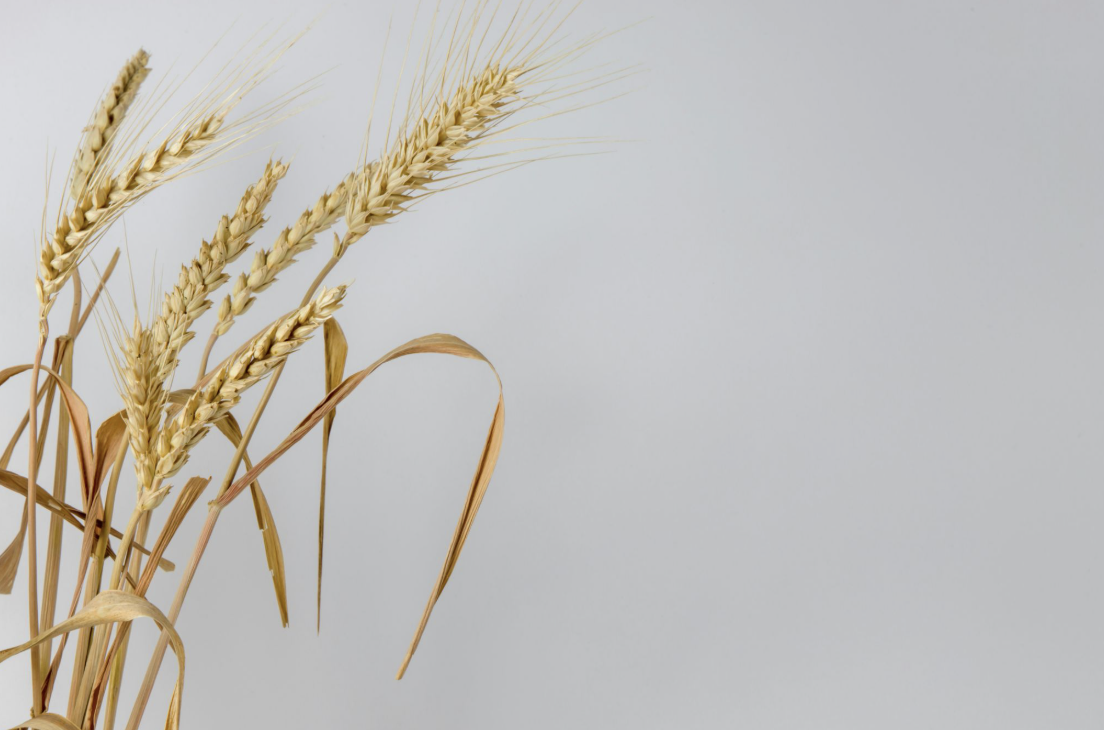
Photo by Andrea Hajdu on Unsplash
Being a Floral Upstart means finding your own path in the world of flowers, yet being part of something bigger than your business matters too. We explored the question, where do you fit in the flower industry, recently at an FBA Open Studio session.
Our panellists brought different vantage points: Christy Ralphs growing on Waiheke, Melanie Stapleton buying and designing at Cecilia Fox Studio, Lissie Johns brokering between growers, wholesalers and florists, and Rebecca Noble connecting the two sides through Dish the Dirt podcast.
Four people looking at the same industry from four different angles. And by the end of it, I realised something: although flower farmers and garden growers bring something unique to the industry, we're in danger of losing the very differentiation we've built our place on.
Simply standing apart from the mass suppliers of flowers isn't enough. There's a level of standardisation and sameness creeping into seasonal growing itself.
Melanie put it bluntly: everybody's growing almost exactly the same thing. Christy was just as direct about the current trend crop, saying, that the industry doesn't need many more dahlia growers.
Rejecting industrialised practices and trading flowers as a cheap commodity is at the heart of what we do as seasonal growers, yet sameness in our crops and in how we present our businesses just leads to unhelpful stereotypes.
Christy was upfront about the weather risks for outdoor growers, that one bad frost or wet spring can wipe out a whole succession, and that's not something you can wish away. But she also clear that there is much we can to to mitigating those risks with low-tech covered growing space, succession planning, and making field grown flowers as feature of your business.
Now, more than ever, it's less about fitting in and more about every Floral Upstart building something that's both their own and part of something bigger.
So, how do you find your commercial individuality and your collective identity, both at once?
The answers from panel members were all simple ideas, built around creating a specialism you can become known for.
For example, supplying the most creative florists looking for the wild and weird. Or growing nothing but seeds, grains and textural plants. Or seeking out florists who buy on seasonal colour palettes, not varieties.
Look at almost every craft-based business and you'll find the same differentiation instinct. Independent bakers who specialise in one kind of loaf or style of cake, or coffee roasters who make their coffee special through the relationship they build between the grower and the drinker.
The signs of growing something special are already starting, with people breeding new dahlia, zinnia and cosmos varieties of their own, or specialising in flowers especially suited to their climate or a particular part of the season.
Individuality isn't just about standing out - it can be a commercial advantage.
Melanie's story of a bride wanting pansies out of season made the point: "If it's something really special like that, and they can't get it anywhere else, then they'll pay whatever it takes."
Lissie is building her brokering business around exactly this, connecting growers who have something special with buyers actively looking for individuality, not a standard order.
Rebecca's version of the same idea was blunter: know your price, and know your worth. But she was clear that worth isn't generic. Every local and regional market is different, so it's the growers and business owners around you, not a formula from somewhere else, who'll tell you what works where you are. That's where the real worth is.
Distinctiveness can come from the style you create more than the exact flowers you grow.
For farmer-florists, continuity matters just as much as it does for any florist, they're just growing their own material instead of buying it in. That might mean creating bouquets by season and size, your offer stays consistent even when your flowers change week to week.
As the industry increasingly markets flowers with flawless, AI-generated flower photos, the growers who stand out won't be the ones who blend in. They'll be the ones whose work still looks unmistakably, personally theirs.
Flower farmers and garden growers have an opportunity to bring something truly special and different to the floral industry. A difference that's built on specialisation, not sameness, where high quality and freshness set the standard.
Ultimately, it's about building a business that's unmistakably yours, one that plays its part in your local market and the wider floral community, on your own terms.
The good news is that understanding sameness is a great starting point for innovation, whether that's in your own business or in the industry.
It may be reassuring to fit in, but if you think about the people you most admire, chances are it's what they do differently that makes them stand out in your mind.
A couple of weeks on from that panel, finding a path that's mine is what occupies my thinking now, not fitting in. If someone visited The Pickery tomorrow or orders our flowers, I want them to do so as their first choice and based on that point of difference.
What would you say makes your business unmistakably yours?
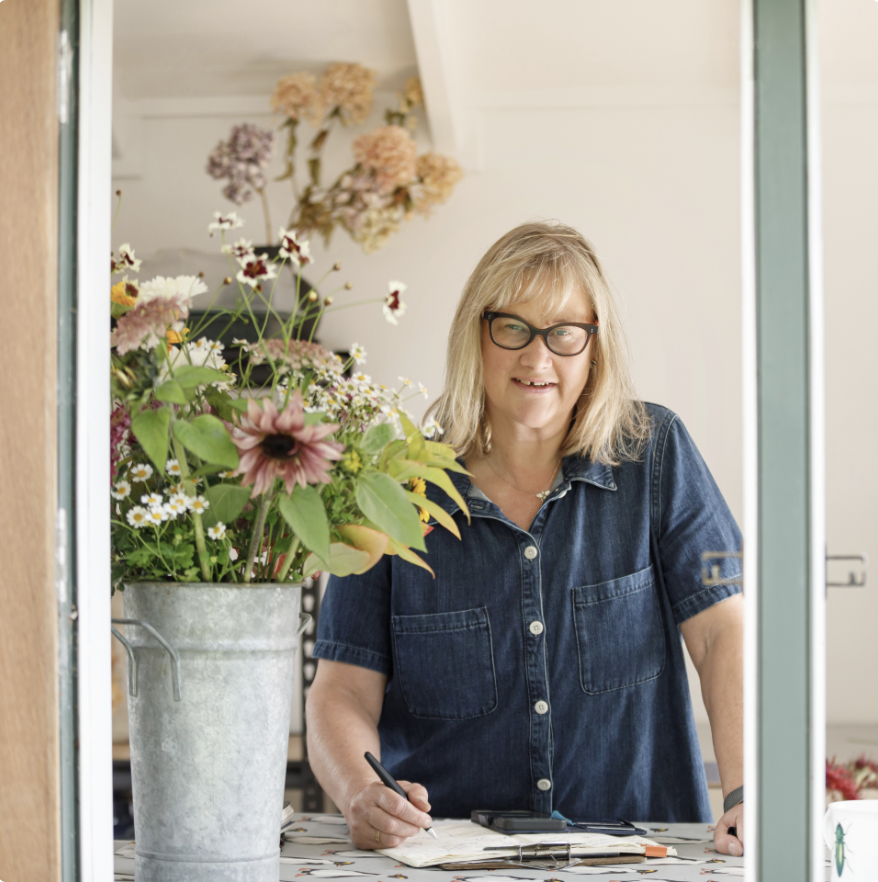
Written by: Julie Treanor - Owner of The Pickery and co-creator of The Floral Business Activator, still working out what her own impossible-to-swap-out thing is.
Follow Julie on Instagram @thepickery
2 comments
Really enjoyed this article and was just having this conversation with a yoga teacher who rents space off me. She asked me to look at her flyer and it was what I see on every yoga post I scroll past. I challenged her to know her point of difference. She didn’t want a bar of it!
Mine as a flower farmer florist is I supply a completely plastic free end product, grow to organic standards and educate why I think both are so important.
I wonder whether we as humans just don't like to be different. Being completely plastic free is definitely a point of difference. I often look at my plastic mountain of seed trays, weed mat and feel such a fraud to embracing what's natural. // Julie