- Sep 17
Quality isn't a scale issue, it's an industry one.
- 0 comments
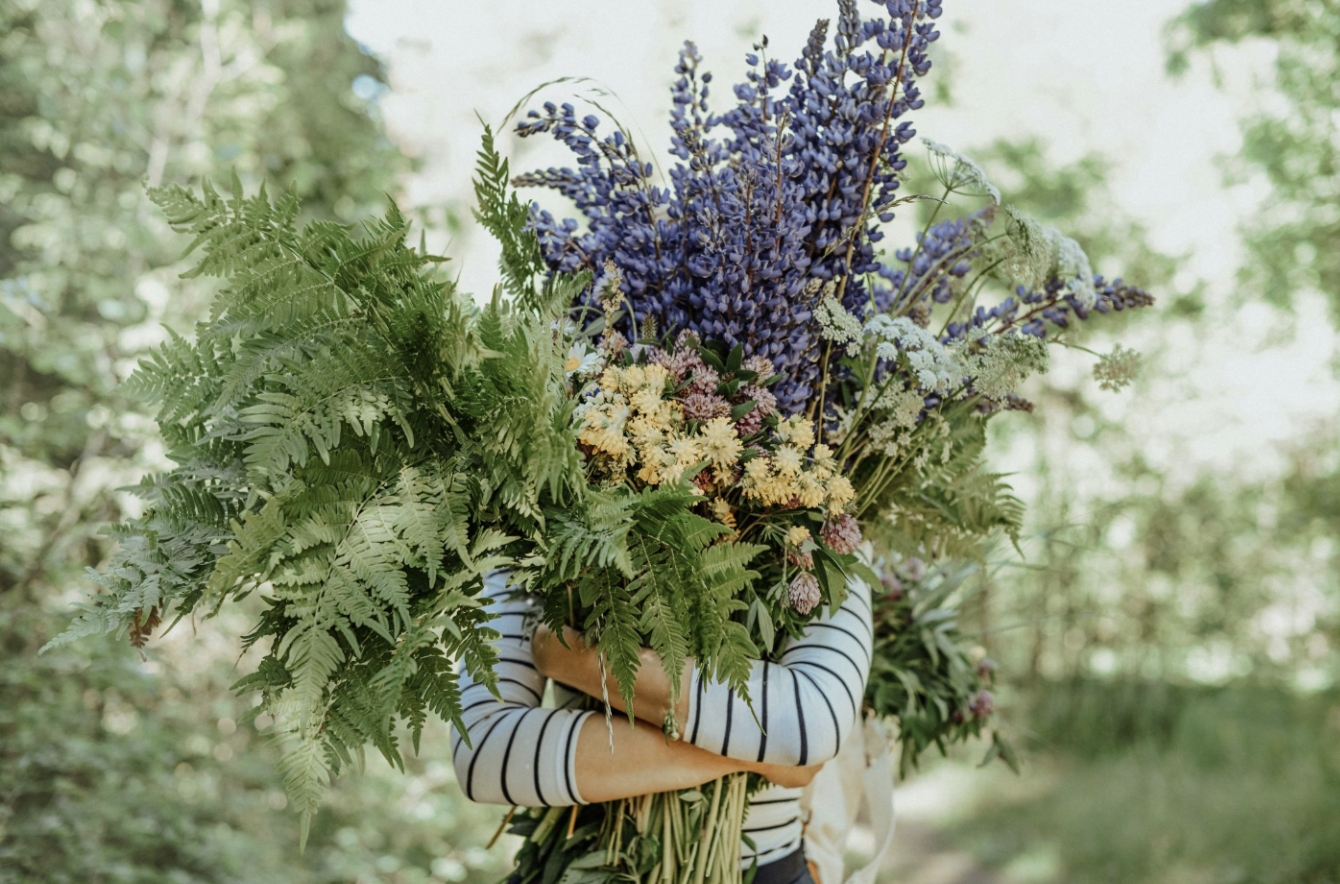
Photo by Anita Austvika on Unsplash
Last Mother's Day, I bought flowers to sell to supplement what I'd grown myself. Several bunches of single chrysanthemums fell apart the moment the wrapping came off. Two bunches of stock were blown, rot already browning the base of several stems. The spray roses had three buds a stem, if that. On the busiest flower-selling day of the year, it left me short on stock, and more than that, it left me disappointed in the quality.
Now imagine that wasn't the busiest day of the year. Imagine it was an ordinary week, and this is just what turned up. That's what a lot of flower buyers deal with, week in, week out.
At a recent FBA panel, the question was put directly: does the small-scale growing sector have a quality problem?
The answer, in short: it has nothing to do with size.
There's a real opportunity here for flower farmers to make quality a defining feature of the work. Growing outdoors comes with real variables you can't fully control, but being good at growing and selling top-quality flowers is central to the craft, whatever size the operation.
It's the attention to detail that counts.
That's a bigger ask than it sounds. Every crop has different needs, and the purpose you're growing for changes the handling required. My Mother's Day order failed on more than one front at once. Getting this right, consistently, is what defines a grower's reputation.
Small, attentive growing isn't new. Long before industrialisation, flowers were part of a market gardener's produce range, each season's flowers grown with real care, picked and packed for a customer who expected exactly that.
Small and well-made already commands a premium everywhere else, and hand-grown flowers are no different.
Quality shows up in more places than growers often credit, including:
Strong, healthy plants producing flowers on strong stems
Crops free of damage, pests and disease
Well-hydrated flowers that hold their shape
Flowers harvested at the right point for their intended use, cut in good conditions
Post harvest care and conditioning
Grading by stem length and bunch size
Packing and shipping that protects freshness.
As an independent grower, you get to decide what represents the best value for your customer: pricing your best stems as premium, and finding a genuine use for the grades that don't fit the wholesale mould. A smaller stem doesn't need to be wasted if you find a market for a smaller posy grade flower.
Know your crops well enough to apply real standards, consistently, rather than one picking rule for everything you grow.
One of the simplest ways to sharpen your own eye is to buy flowers from other growers and florists yourself, deliberately, and see first-hand what quality looks like when you go looking for it.
Whether you're selling under your own brand or supplying other buyers, quality is what decides whether a purchase feels like exactly what someone was hoping for, or a letdown.
So which one do your flowers deliver, and how would you know?
Below is a working list of reference material to help you build that knowledge, a starting point for making quality a core part of how you grow and sell.

Written by: Julie Treanor - Owner of The Pickery and co-creator of The Floral Business Activator, who loves nothing more than looking for the perfect picking point to kick off a harvest.
Follow Julie on Instagram @thepickery
Further reading: standards and reference guides
New Zealand and Australia
What Cut Flower Is That? (2nd ed., 2022) by Delwyn Thomas and Bettina Gollnow - the standard Australasian reference for quality, care and handling, covering 155 flower and foliage products including natives. Printed book or digital download at whatcutfloweristhat.com.au.
Realtime Markets Flower Grading Standards (Australia) - the 3-digit grading system (flower : leaves : stems) used in Australian wholesale trade. Free PDF.
NZGAP (New Zealand Good Agricultural Practice) - voluntary certification covering food safety, environmental management and worker welfare. Not flower-specific, but widely used by NZ growers as a quality framework.
MPI Import Health Standard: Fresh Cut Flowers and Foliage (2025) - New Zealand's biosecurity standard, references the commercial production, harvesting, sorting and packaging methods growers are expected to follow. Free PDF from MPI.
Horticulture New Zealand (HortNZ) - industry guidance and environmental codes of practice, including submissions relevant to quality and biosecurity standards.
NSW Department of Primary Industries resources (Australia) - free online production guides, native flower quality criteria, and export requirements.
Commercial Flower Growing (1985) by John P. Salinger - an older but still-referenced New Zealand-specific foundational text. Libraries and secondhand.
Learning Cloud: Cut Flower Production Course (NZ) - an online course with modules specifically on grading, quality and conditioning standards for the NZ market.
Australian Cut Flower Industry (cutflowers.net.au) - industry directory and updates, useful for finding growers and wholesalers.
International standards
UNECE Standard H-1: Cut Flowers - the international grading standard used across Europe, the US, Canada and beyond, covering stem length, bloom maturity, straightness and defect tolerance. Free PDF from the UNECE website.
Royal FloraHolland / VBN Product Specifications (Netherlands) - the de facto standards behind the Dutch flower auction system, influencing quality expectations across Europe.
USDA Grade Standards for Flowers and Plants (USA) - voluntary US standards providing a shared language for grade and condition.
EU Regulation (EEC) No. 316/68 - sets minimum quality standards for cut flowers traded within the EU.
Reference books
Floral Standards: A Practical Guide for Harvesting and Delivering Professional Quality Products (2024), Seattle Wholesale Growers Market - crop-by-crop harvest and quality specs for 230 cut flower crops, written by growers for growers, 425+ photos. US$79.95.
Specialty Cut Flowers (2nd ed.) by Allan Armitage and Judy Laushman - the widely regarded definitive technical guide to commercial specialty cut flower production, species by species. A more accessible companion, Field Guide to Specialty Cut Flowers (2024), is aimed at newer and smaller-scale growers.
The Flower Farmer (2nd ed., 2008) by Lynn Byczynski - strong on the business and selling side alongside production, including what florists, wholesalers and farmers' market customers expect.
Postharvest Handling of Cut Flowers and Greens (ASCFG) - the go-to reference for what happens to quality after harvest, covering handling and longevity for growers, wholesalers and retailers.
Floriculture: Principles and Species (2nd ed., 2004) by John Dole and Harold Wilkins - a research-based textbook covering production principles across more than 100 genera.
Ball RedBook Volume 2 (19th ed., 2021), edited by Jim Nau - crop production reference for annuals, perennials and cut flowers.
Specialty Cut Flowers: A Commercial Grower's Guide (Kansas State University, MF1034) - a free, practical extension publication on production and quality basics.
Research
"A Quality Assurance System for the New Zealand Cut Flower Industry" by D. Brash et al. - academic research on quality assurance frameworks specific to New Zealand's sector. Available through Semantic Scholar and academic databases.