- Jul 30
Why the Weather Isn't Just Small Talk
- 0 comments
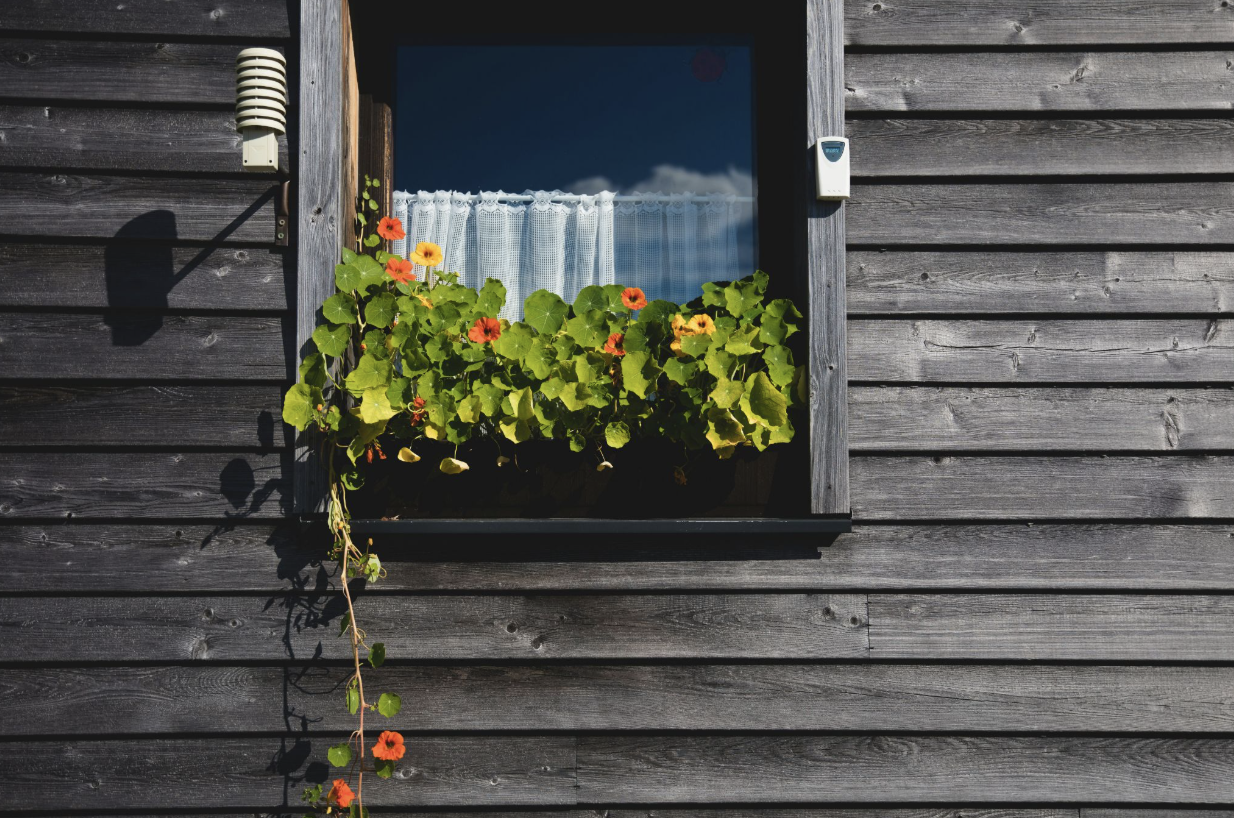
Photo by BENCE BOROS on Unsplash
Inside the Floral Business Activator (FBA), the weather comes up constantly - in the live sessions, in Slack, in the in-person meetups. What might seem like small talk to many, talking about the weather is a lifeline every flower farmer clings to.
Maybe it's talking about stored water running low. Or polytunnels that take flight in high winds. Paddocks and paths that get flooded or ground that gets rock hard in the heat that the weeds are baked in.
For all we may joke about talking about the weather, the risks that weather places on a floral business is not to be downplayed.
How the weather can define a growing season
Weather forecasts don't give us certainty but are a useful starting point for planning ahead. A potential picture of the conditions we're most likely to be growing into.
BOM (Bureau of Meteorology)o and NIWA (National Institute of Water and Atmospheric Research) offer insight for Australian and New Zealand growers respectively. Both are forecasting warmer weather for Spring, but not evenly so. Unusually low rainfall is forecast for the south-west of WA and the south-east Australia more broadly. New Zealand is warmer too, and wetter in the north of both islands - except the West Coast of the South Island, which looks like it'll buck that trend and run drier.
Of course, such generalities aren't a guarantee but they do reflect what climate scientists have been saying for a while. The world is getting warmer on average and severe weather events are getting more extreme.
UK flower farmer Roisin Taylor spent eighteen months studying whether flower farmers are ready for global warming. She visited four countries, including New Zealand, on a Nuffield Farming Scholarship. Her own conclusion made for stark reading.
"A sector cannot survive shocks if it cannot forward plan. A sector cannot forward plan if it is too busy working out how to survive the day to day."
Roisin's presentation to FBA members last year has stayed with us since - a reminder that looking ahead and planning is how we protect our growing and our business, not just react to whatever the season brings.
So, what are the preparations we need to be making?
When it comes to weather, anything goes, so all we can do is prepare for the worst and enjoy the best when it happens.
Here are some of the aspects of growing worth preparing for given the long range weather forecasts being made.
Water is a strategic asset, worth investing in.
A drier, warmer lean means irrigation planning matters more than usual, especially early in the season when seedlings have the least capacity to cope with a dry snap. It's not just a question of whether there will be rain - it's about knowing your water consumption - how many litres you're actually using a week, and how many weeks of dry you could cover if rain didn't come.
Fungal disease risk rises wherever the wetter, warmer pockets show up.
Warmth plus humidity is the perfect combination to fuel botrytis and other fungal diseases. This is not just a risk worth watching for but creating growing conditions that won't add fuel to the infections. Ultimately this comes down to healthy soil, healthy plants to begin with, and good air flow - and for crops that are particularly susceptible, treating preventatively
Wind and structural damage are becoming more likely as extreme winds increase.
Covers, supports, anything in exposed areas can become sitting targets of whipping winds. Always best to err on the side of caution to protect your crops, although recognise that sometimes, the worst of winds may still defeat you so building shelter belts and wind breaks a long term solution.
Drainage matters whatever the rainfall.
Flowering plants generally don't enjoy having wet feet, so balancing water retention and drainage in your growing space is a must - and don't forget the potential consequences of excess rain on paths, slopes and flat ground. I learned this the hard way myself - a path to a new polytunnel. Paying attention to where water naturally wants to go on your property and taking precautions can save you a lot of heartache later.
Simple protections can work wonders.
Growing flowers outdoors can be challenging on a good day, but there are simple precautions you can add to your growing kit to protect your crops. This can be as simple as frost cloth, shade or protective fabrics - all relatively inexpensive, but able to make a big difference to supporting your crops through extreme variations in temperature. Covered growing space can be a real bonus, although a warming climate makes it harder to use without climate control systems during the highest temperatures.
Cloud cover can really stunt plant growth and affect flowering.
Good light is essential for plants to grow well, and it's not just about avoiding shady spots for growing cut flowers. Heavy cloud cover can have a dampening effect, slowing down stem and bud development significantly. If you've ever wondered why your dahlias aren't coming out to play, or your Chinese asters and other light-sensitive plants are sulking, low light levels can often be to blame.
Weather watching is a good obsession to have.
For all the improvements in weather forecasting through meteorological agencies, nothing beats becoming your own weather watcher. Weather stations can be inexpensive and yield much better data for your own location than any general observation. The rise of AI now means you can get more sophisticated with your weather record-keeping and understand how microclimates develop across your property.
The consequences of weather patterns don't just affect your growing, they can have a profound effect on selling your flowers too. Whether it's flowers for your florists, market stall or local cafe - bad weather can be bad for business too.
And when planning fails?
All the planning in the world won't save you from the worst of the weather - some seasons, you'll still end up in wellington boots wondering how you missed it. That's just farming.
But paying attention to long-range forecasts, and to your own land's patterns, is still the best chance you've got of meeting the season on your terms rather than being ambushed by it.
Take a moment to think about the weather challenges that have actually hit your business over the last couple of seasons. What pattern is showing up more than once? And what would it take, this winter, to be ready for it before it arrives again rather than after?
Further reading
Roisin Taylor, Revival and Survival: is the British cut flower industry prepared for a 2-degree warming world? - A Nuffield Farming Scholarships Trust report, February 2025
BOM seasonal outlook - Bureau of Meteorology, Australia
NIWA seasonal climate outlook - National Institute of Water and Atmospheric Research, New Zealand

Written by: Julie Treanor - Owner of The Pickery and co-creator of The Floral Business Activator who has just discovered exactly how a new path behaves in the rain.
Follow Julie on Instagram @thepickery