- Jul 16
The puzzle every flower farmer has to solve
- 0 comments
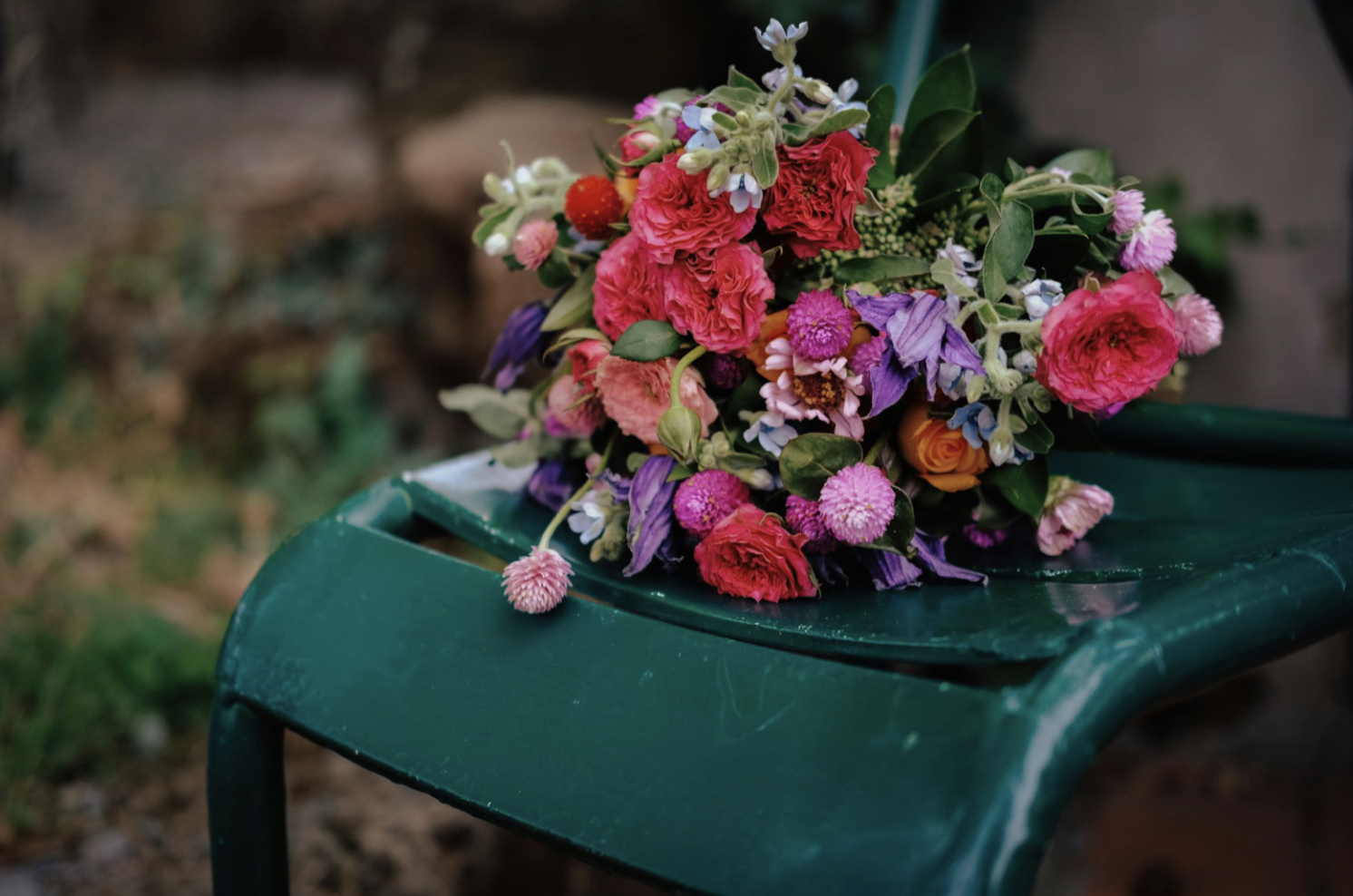
When my dad worked as a business advisor to small businesses in rural Hereford in the UK, we used to chat about what makes a great business. A business where supply and demand sat in perfect balance, with endless money to grow as fast as you wanted.
So imagine the kind of conversations we used to have about me running a small business around cut flowers. A business founded on a non-essential perishable good, unreliable production and unpredictable sales. Plus the commercialisation of Valentine's Day and Mother's Day that gives growers and sellers of flowers unavoidable pinch points that can set your business up for a "black Friday" effect.
Hardly the ingredients for a model business.
Yet these are the conundrums we need to solve as business owners. Take the two biggest sales days in the flowering year.
Valentine's Day traditionally revolves around single stem red roses to say I love you. Most of us don't grow them commercially, so our colourful, in-season flowers compete head-to-head with the cheaper, imported, stereotypical red rose. It's a marketing challenge that can feel too hard to win.
And in the southern hemisphere, Mother's Day falls in May, beyond most people's outdoor growing season. Yet with demand sky high, it's a compelling reason to push yourself as a grower.
There's also an economic twist to consider. The high demand sends flower prices sky high, which can work in your favour if you're selling wholesale. It's the opposite story if you're buying-in flowers to fill your own gaps and serve your local customers. The same price spike eats your margin instead, that can leave you wondering whether the hype and hard work is worth it.
There's another double bind too. Peak flower supply lands in summer, exactly when demand can be at its lowest, because people are enjoying flowers from their own gardens, or simply distracted by everything else summer offers.
Solving this puzzle of growing and selling can feel like finishing a 1000-piece jigsaw against the clock, with half the pieces missing.
So what's the secret to bringing some certainty to that mismatch?
Every flower grower is trying to bring as much certainty as they can to a business with this many variables.
At one of the FBA's industry visits, I listened to a specialist rose grower talk about the challenges of growing to hit peak demand. It's a risky business. Even with careful planning, the stakes stay high. Here's what six years working alongside FBA growers, and my own often painful experience, has taught me.
The shape of your selling year is the piece that most often gets overlooked.
It's easy to miss how supply and demand shift together if you treat growing and selling as separate jobs, rather than one. Treating them as one means growing deliberately to your sales calendar, with careful crop planning, protection, and managed risk.
This means choosing your business strategy for your season deliberately, especially for the big days and holidays, whether that's going full-on to maximise sales, or taking a more relaxed approach and making the best of what you've got.
Opting out of the big days, or hedging your bets until the last minute, are both legitimate business decisions. It all boils down to your confidence and experience as a grower and seller of flowers.
Whatever you decide, it always pays to plan your selling strategy and systems ahead of time: pre-orders, spontaneous sales, or an each-way bet on both. Pre-sold flowers can be money in the bank, but they rely on streamlined systems for taking and fulfilling orders. Casual trade is more forgiving, but you're at the mercy of who turns up and when.
Whatever your approach, you need a plan for dealing with abundance or scarcity in your own flowers. How do you make the most of a bumper flush? What do you do if you find yourself short? Filling that gap, one way or another, can be the difference between a profit and a loss, because flower prices move, and you need to be on the right side of that. Decide in advance how far you're willing to go on buying in, and whether your pricing reflects how scarce your flowers are on that day, not just what you charge every other week.
There's no simple answer to any of these questions, and that's rather the fun of it.
Always remember, there's no right way to run your business, except the way that works best for you. And naturally, it works best when you decide as early as you can, and save yourself a scramble.
Last Mother's Day, there was a consensus amongst FBA members that flower sales were different this year. People didn't have as much money to spend, so lavish pre-orders were down, or non-existent. Instead, casual sales of reasonably priced bouquets were up. Although managing crops through a warmer autumn for Mother's Day felt like playing roulette.
A much larger group of growers than usual decided to source flowers from other growers, either to supplement their own supply or as a deliberate business choice. The margins made us all wince, but we consoled ourselves that it was a generous act of public service for our loyal customers.
There's a growing antipathy about Valentine's Day sales too. Landing a sharp message about buying local isn't easy, although it made me proud to be outselling the classic single imported red rose with our colourful spray rose posies from New Zealand growers.
As for summer, more growers are scaling back production during the peak season, or rebalancing their crops towards wedding customers. That includes both florists and people buying direct who want to create their own wedding flowers.
If there's one not-so-secret to mastering this, it's that flower farmers who treat growing and selling as one job, not two, have a better chance of success.
It's hard to feel excited about flowers and selling in the middle of winter. But that's exactly the time to plan your cash flow and your crops for the season ahead.
What would it take to bring your growing and selling plans together, so the pinch points in your season smooth out and it works better for you?
If you want a place to start, we've put together a free Business Year Planner to help you map your growing and your selling together, before next season sneaks up on you.
You can grab it here: Business Year Planner
Written by Julie Treanor — owner of The Pickery and co-creator of the Floral Business Activator who loves a business puzzle to solve, especially where flowers are involved.
Follow Julie on Instagram @thepickery