- Aug 6
What you can see if you look deeper into the state of the economy
- 0 comments
Upper Hutt Council's Business Support team sends a round-up of local business news, including the latest economic indicators. Usually I skim read it but this week I went back and read it again.
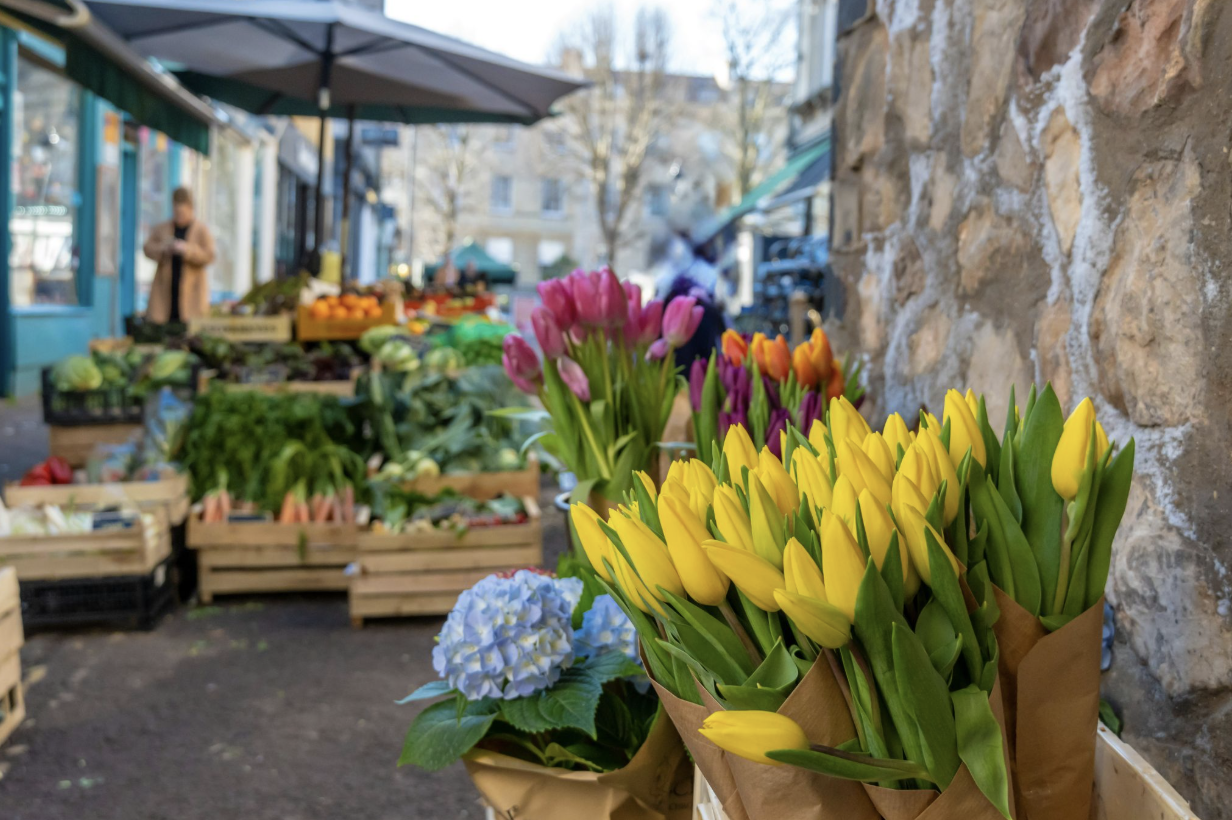
Running a year-round flower stall at Brewtown Farmers Market on Sundays and found myself thinking more deeply about how the economy is affecting sales there. That sent me off in search further afield, to look more closely at NZ and Australian economic data.
Here's what I found, and why it's worth every grower looking at this too - especially for what's happening in your own local area.
Economists are telling us that...
People across the world have had their confidence rocked economically over recent years.
Here in New Zealand, the Reserve Bank has recently cut interest rates to their lowest level since 2022, which should make borrowing easier. But people haven't caught up to that yet - confidence took a real knock earlier this year, dropped sharply through April, and has only partly recovered since. Retail spending in New Zealand has fallen since the start of 2026, more than it has in Australia.
Across the Tasman, the pattern's slightly different but points the same way. The latest official figures show household spending on non-essentials barely moved in the March 2026 quarter - almost all the growth that did happen was in food, fuel and other things people can't avoid buying. Most Australians now say price is the main thing driving what they buy, and more retailers went under last year than the year before.
In the age of soundbites, economic data like this gets translated as news that times are tough and they're not getting any better soon. Hardly surprising then that cheaper borrowing hasn’t boosted spending. Where spending is holding up, it's on the things people need, not the things they'd like.
Put plainly: people are still spending - they're just being much more careful about what they do spend.
So what does this mean for flowers?
A close look at the facts tell us people haven't stopped spending. They've become far more selective about what they spend their money on. But you probably know this from your own personal spending, too.
With everyday impulse buying slowing, this means less grab and go bunches at supermarkets, cafes or markets. Although buying gifts for a special reason or occasion are holding up, albeit at a lower price point. People are weighing up the option of spending on fresh flowers against longer lasting gifts at the same price.
Weddings continue to shrink for most people. Couples are still spending on flowers but greater priority is given to fresh flowers where guests will actually see, touch or smell them. More couples on a tight budget are looking to source flowers to create their own wedding florals.
Likewise, funeral flowers are more considered displays as a genuine memorial to the person than for decoration. Donations in lieu of flowers are becoming increasingly commonplace. Cemetery flowers to commemorate people laid to rest are tending towards lower cost gestures on significant dates than frequent resupply.
Business and hospitality flowers - arrangements for hotels, restaurants, retail spaces - are showing a radical tightening of budgets. These are being replaced by artificial and dried flowers or plants instead.
Flower sales at markets are showing the same pattern. At Brewtown Farmers Market in Upper Hutt, several of us selling there have compared notes and noticed the same thing - the regulars are still showing up, but the occasional, drop-in shopper has thinned out noticeably this year. And, when they do, they are spending at one of the many food trucks as a less expensive alternative to meeting people for brunch in a cafe.
It seems our friends in the northern hemisphere are leaning heavily into local, seasonal and story-driven selling to buck the economic trends. Loyal customers are remaining loyal to their local flower farms.
The headline message is that if a significant portion of your business relies on everyday and nice to have flowers, that's where your business looks to be exposed this coming season. And, close relationships with customers based on their commitment to local and seasonal flowers can make a difference.
Strategies for next season - are you ready?
When you plan and plant crops months ahead of selling their flowers what's happening in the current economy can feel irrelevant. Yet, it's risky to plough on as if trading conditions won't touch the tulips you put in the ground come Spring.
So, here's a few things worth rethinking going into next season:
First, and foremost, cashflow.
What contingencies do you have to plug any shortfall in budgeted revenue. Now is a good time to re-forecast your business budgets so they're in tune with expert economic information. Better to have money in the bank if things go well than be cash strapped when you need it most.
Look hard at your marketing plan for the season. Be prepared to increase marketing effort and spend to win the attention of customers who are still committed flower buyers or looking for flowers and floral services that fit their budget.
Take care with your pricing.
Remember that your costs will have gone up, so consider carefully what you need to protect your profit margins and sustain flower sales.
With the long lead times in flower farming, don't forget to consider the longer range economic outlook and how this might impact your business and crop plans for the 2027 season. You may not have a crystal ball on the economics but trust your judgement and pay attention to your appetite for risk for future investments and business collaborations.
What sits behind all this is the confidence you have in the business side of things as a flower farmer.
So, what's next for you
Now you've got ideas for what might affect you and strategies for addressing them, it's worth thinking through what comes next for you.
A few questions worth asking yourself:
Where are you forecasting your income will actually come from next season?
What proportion of your flower sales are from impulse buys?
And how much of your revenue is tied to an occasion - a wedding, a funeral, a birthday, a genuine "thank you"?
You don't need exact numbers. A rough sense is enough to assess your cashflow, plan your marketing and adjust your pricing to fit your business.
And, worth remembering
The economy sets the conditions. What you do with them for your business is still yours to call. Even when spending overall might be down, there may be certain groups of customers who continue to spend on flowers in the ways they always have.
Equally, there will always be people who are unable to afford flowers or do not see the value in fresh flowers that will claim that what you are selling is too expensive.
Either way, your job is to be clear about how you want your business to run whatever the economy is telling you.
Nobody has a crystal ball on how the next few months will play out - not you, not me, not the economists. All you can do is be prepared. Be well informed and make the best decisions you can based on what you know and what you want to achieve.
Keep asking yourself the question - what needs to change, if anything, to reach my business goals?
FBA Members work through exactly this kind of economic pressure with their own businesses inside Floral Business Activator.
See what's included when you join.
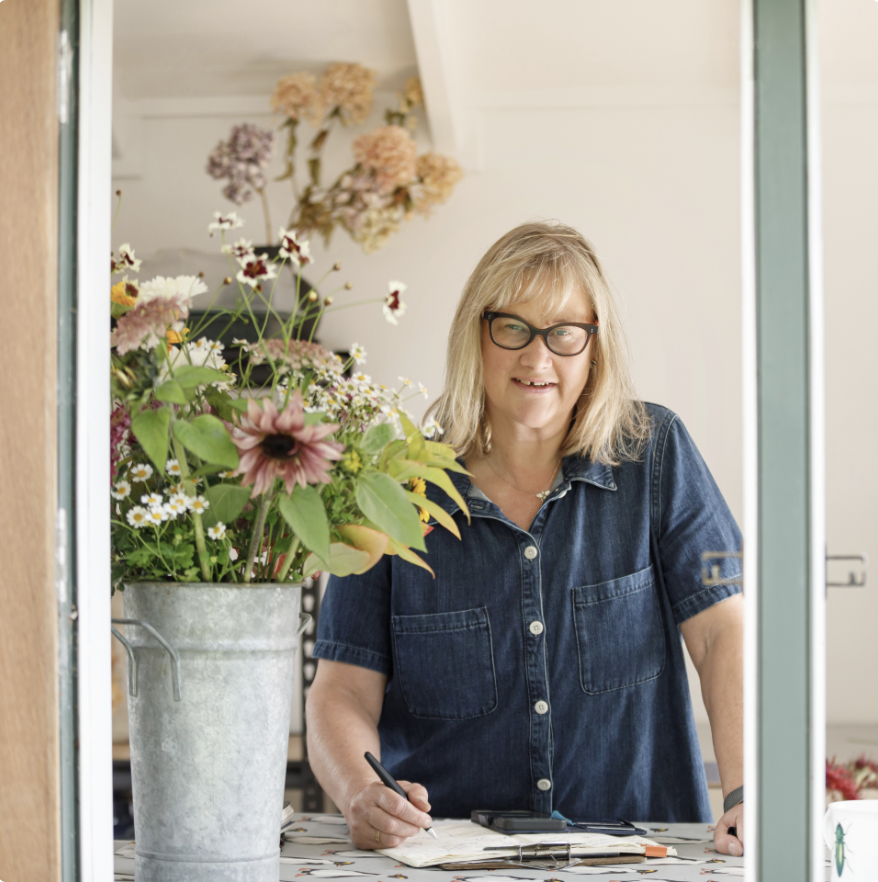
Written by: Julie Treanor - Owner of The Pickery and co-creator of The Floral Business Activator, who is finding economics analysis more fascinating when you apply it to your business, than listen people talk about it on the news.
Follow Julie on Instagram @thepickery