- Nov 5
Who's doing the leading for flower growers?
- 0 comments
"Collaboration over competition" is a lovely idea, and I'm all for it - I may well have advocated for it myself. But a slogan has never organised a market with other growers, chased an opportunity to combine forces or shown up for another grower when they needed it most.
Collaboration only happens when people lead it - and that means more of us than we might think.
The slogan and the work
Collaboration over competition is having a moment in the flower world. You'll see it in captions, hashtags and conference talks, often next to a lovely photo of growers standing together with armfuls of flowers.
I like the sentiment. I've spent most of my working life helping people work together better, and I believe collaboration can change the world. What bothers me is how easily we confuse an idea with an action.
We tend to treat valuing collaboration and collaborating as the same thing. Collaborating is a long run of small, often unglamorous actions, taken by lots of people over a long time. That's the part that's hard to do, and it's the only part that changes anything.
What leadership taught me
Before flowers, I spent 20 years in corporate life, and I've been running my own business for more than 15 years coaching leaders and running leadership programmes. The belief at the heart of that work was simple: leadership is action. Without it, nothing gets started, nothing gets finished and nothing changes.
In my experience there's leadership, there are leaders, and then there are people who just lead. They don't need a title or a hierarchy, or a blueprint of what's been done before. They don't need the credit. What they need is something bigger than themselves to believe in - a goal, a greater good, the people around them. And when people just lead, other people tend to follow.
That's as true in a family, a sports club or a school committee as it is in a boardroom. Flower growers and sellers are no different.
The best leadership I experienced was amongst owners of small businesses and start-ups who all had a vested interest in the outcomes of their work. Everyone had to pull their weight because their survival depended on it.
Why it's harder than it sounds
The uncomfortable truth is that collaboration needs leadership, and leadership is hard for humans.
When I co-founded the Wellington Flower Collective in 2019, it was a transformational way to do business with florists in the region. At first collaborating with other growers was fun and exciting and then it got tricky as lots of growers selling to a few florists made it hard for everyone to have a fair share of the opportunities.
The Collective still exists, in a different form and serving different customers. It's still fun to have colleagues you can call on but I don't miss growers vying for attention from the same customers or some growers taking more than they were giving from the collective effort.
This is a completely natural and normal dynamic in any informal collaboration.
I hear a similar story from growers' groups around the country. A collective starts with a burst of enthusiasm, then over time the work and responsibility fall on one or two people. Generosity wears thin when the benefits stop being mutual.
It's at this point that collaboration needs something more tangible than goodwill to hold it together. The intentions of collegiality are precious yet when we're all trying to sell flowers, competition can drive a wedge through business relationships.
None of that makes collaboration a bad idea. It makes it a leadership challenge, and that challenge belongs to everyone involved, including those of us who'd rather leave it to whoever is holding the clipboard.
Being a colleague as much as a competitor
Leadership in workplaces is tricky because titles and power can skew how people behave. A collective has no boss, so it comes down to how each of us thinks, feels, talks and what we do.
Thinking - looking beyond your own patch to what would help the whole group, and the sector, become more visible and more viable.
Feeling - being honest with yourself about the rivalry, the frustration and the times you feel taken for granted, without letting those feelings make your decisions for you.
Talking - speaking up. Saying what you need, raising a problem early, giving credit where it's due, and having the awkward conversation rather than holding on to quiet resentment.
Doing - showing up. To the meeting, the market, the roster, and the unglamorous job nobody else wants.
Leading well also leaves room for people to step back. If you can't pull your weight right now - because of family, money, health or a full-on season - saying so and stepping out is a fair choice. What wears a collective down is people staying in name only and leaving the leading to someone else.
That's what collegiality looks like in practice. It's a leadership act, and it's open to every one of us.
The greater good
The best collaborations I saw were where mutual interests were better served by a collective effort - what I called leadership for the greater good.
For months I've been wrestling with the notion of leadership in the flower industry and how it's playing out for people running small businesses growing and selling seasonal flowers. It's been fascinating to see how often people call for a 'trade association' to lead the way.
Maybe it's because I've done enough collaborative leadership to last a lifetime, but I've been reluctant to lead down that path myself. So I've been looking for other ways to act on my commitment to the greater good of the seasonal flower industry.
For me, it was about practical things I could do that would make a difference. I wanted something that I could just lead and bring other Floral Upstarts along for the ride. Something that depends on people coming together to show solidarity and generate visibility for the amazing community of flower growers.
It's why work is under way to refresh the NZ Flower Collective, to make locally grown flowers, and the people who grow them, more visible and valued. It started as a project during the Covid pandemic and is well overdue a new lease of life as a leader for seasonal flowers in NZ.
We'll be looking for New Zealand growers ready to step up and play their part - who think beyond their own patch, speak up, show up and treat each other as colleagues as much as competitors. And if now isn't your season, that's fine too.
If this has struck a chord, I'd love to hear where you stand - drop your thoughts in the comments below.
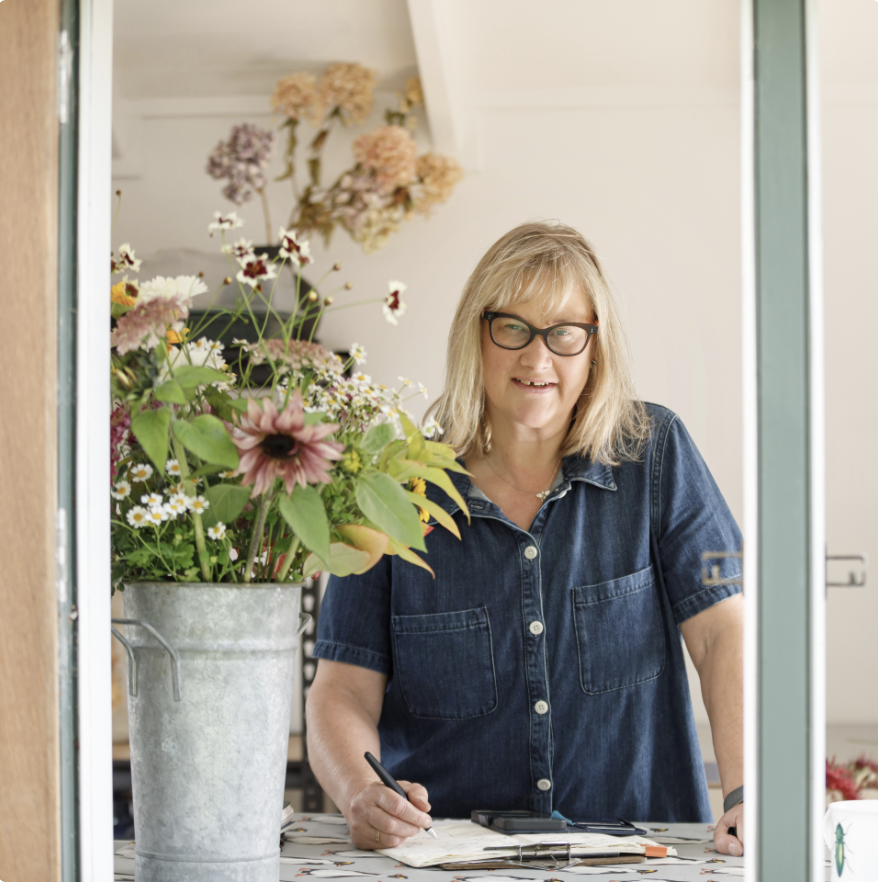
Written by: Julie Treanor - Owner of The Pickery and co-creator of The Floral Business Activator, who has spent more than 15 years coaching leaders and is now putting that to work for flower growers. Follow along on Instagram at @thepickery.