- Sep 24
When did the spring season become six months long?
- 0 comments
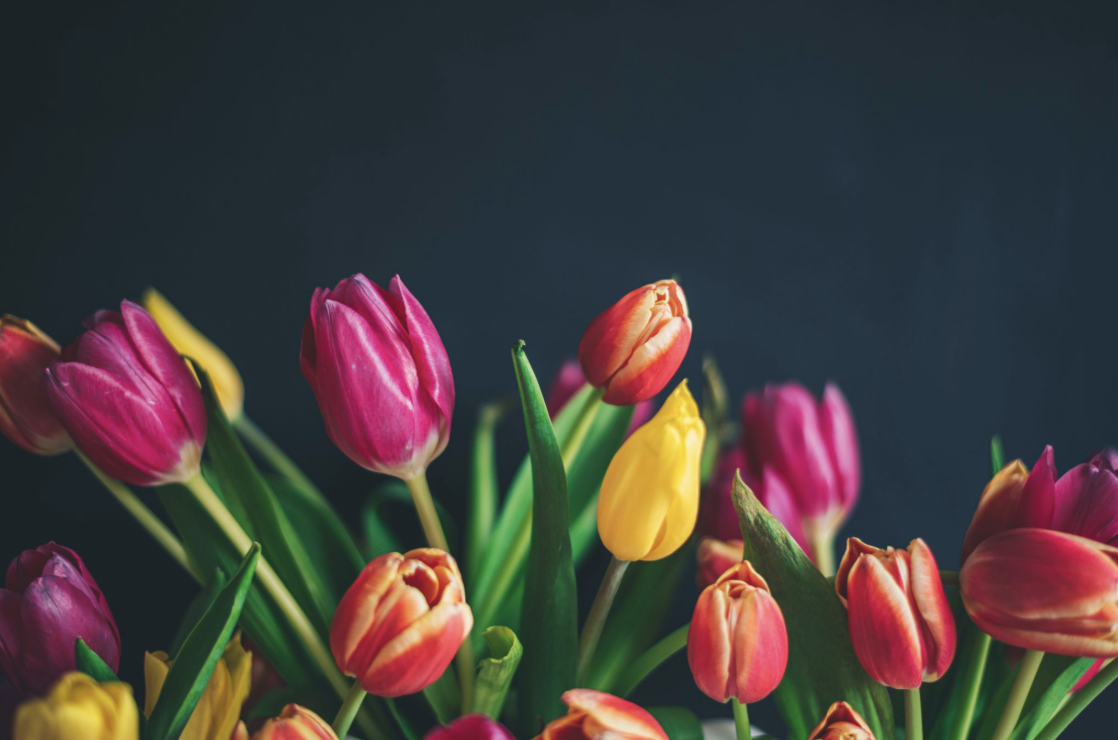
Photo by Libby Penner on Unsplash
What happens when a distinctly seasonal flower stops feeling special?
Having watched other growers selling tulips further north in New Zealand for weeks, I’m looking across the 4,000 tulips growing on my flower farm this week and starting to feel nervous. The awkward question going through my mind is:
Can you have too much of a good thing?
It used to be that tulips were a spring thing. Yet you can now get tulips in the Southern Hemisphere on sale for Mother's Day in May. This means tulips are now available for sale in supermarkets and with florists from Autumn to Spring.
I call them winter tulips - tulips produced to a commercial timeline rather than waiting for the natural flowering season.
They’re tulips, but not as you and I might know them.
Thanks to bulb treatments, chilling, forcing, controlled growing and a global production system, tulips can be available for months before our own field-grown tulips are ready to flower in a glorious range of shapes and shades. And that got me wondering:
If people have been seeing tulips on sale for months, what’s going to happen when my spring tulips finally arrive?
Are they still going to be the exciting splash of spring, or, like many other cut flowers, are tulips going to feel ordinary?
Seasonal erosion
When everything is available all the time, availability itself stops being a reason to get excited.
There’s a vendor at our local farmers’ market who sells chocolate-covered strawberries year-round. Judging by the number of chocolate-smudged faces walking past our market flower shop, it’s one of the most popular stalls.
But I can’t help wondering whether something changes when strawberries stop being something you have to wait for.
Flowers aren’t immune to seasonal erosion.
A field-grown tulip season runs about six weeks. The manufactured one for six months.
Tulips flower naturally in spring in New Zealand. The flower blooms when local conditions are right for it, although you can extend the tulip season with different varieties, planting dates and simple growing techniques (such as growing under cover).
And then there is the manufactured season where tulips are forced to produce flowers using temperature treatment, controlled environments and sophisticated hydroponics. In the Netherlands, around 90 per cent of tulips are now forced in water, which is quicker and gives a more uniform crop.
New Zealand plays its part too. The country’s largest tulip bulb producer, Triflor in Southland, strips the blooms from its fields and exports the bulbs, filling the northern hemisphere’s seasonal tulip gap. As its operations manager puts it, you can trick a tulip to flower out of season.
There are days where I wish I could control the flowering of my tulips more tightly.
In fact, I still feel sick thinking about the year when almost all my varieties decided to flower within about ten days. I’d carefully planned my varieties and succession planting, imagining a lovely steady run of tulips.
Instead, they all seemed to decide: we’re doing this now.
Thankfully, a friend with a hunting chiller came to the rescue. By tapping into my regular customers and selling buckets of flowers rather than bunches, my tulips weren’t the flop crop I’d feared.
This year I’ve reduced my numbers, focused on early, mid and late varieties, and succession planted them.
Now they’re arriving later than last year. Which means people might have already had their tulip fix before mine are ready for sale.
Tulips can be a growing gamble.
But traditionally they heralded the start of the flowering season. Now I’m wondering if their value is changing.
Are customer expectations changing too?
Claiming seasonality
For centuries, people have loved tulips for their intense colour, extraordinary shapes and relatively short season. Yet the longer tulips are available, the less fascinating and special they potentially become.
So how do we claim seasonality as something worth celebrating?
Tulip aficionados might know the difference between a forced tulip and a field-grown one.
Most customers don’t need to - until we give them a reason to care.
Like so many flowers, tulips are heading down the path of conformity and convenience.
Perhaps the biggest opportunity for seasonal flower growers is to become the leaders of counter floriculture, offering an alternative to flowers being available whenever and however we want them. The mainstream flower industry will keep doing what it does. We can do something different.
This means making flowering an occasion. As well as the flower itself, you’re giving people something to look forward to, and a menu of colours and varieties to enjoy.
It’s the difference between saying “tulips are available” and “tulips are finally here”. And, not stopping there.
It’s showing people the varieties you’ve grown. The funny ones. The weird ones. The ones with extraordinary shapes. The novelty of tulips in a vase with their bulbs still on.
These are the tulips you’ve been waiting months to see flower. It’s about sharing your fascination with tulips and the anticipation as it builds.
Many flower farmers struggle with marketing and selling but love to talk about growing and flowers. The trick is to turn the storytelling that comes naturally to you into a strength for your business.
Creating a seasonal experience for your customers means showing them how seasonality works and what it can mean for them. It can mean connection to nature’s cycles, freshness, scarcity, variety and the simple pleasure of something that belongs at that particular moment.
Flowers from a local flower farmer are something to be celebrated as distinctly different from anything else available. But as you well know, being different isn’t enough.
We have to help people feel part of the story of the season. Make your tulips special because they’re a limited edition.
That’s nothing to do with manufactured scarcity or a marketing gimmick. Once they are gone, they are gone.
Making magic with spring tulips
If tulips are in the supermarkets, florists and social media feeds for months, it can feel hard to announce the start of your own tulip season.
Just because the floral industry has become extraordinarily good at making tulips available to suit a commercial imperative, seasonal growers shouldn’t feel the pressure to conform.
We have something more precious to offer - something more than just the flower itself.
Tulips really do herald a shift in the seasons. Spring brings renewal: longer, warmer days, more light - more life. After winter, that matters more than you might realise.
The arrival of spring flowers does more than change which flowers are available to buy. It’s a moment we recognise, because we’re part of the same seasonal cycle. The seasons lead our lives, whether we realise it or not.
And perhaps that’s our opportunity as seasonal flower growers. The industry can herald spring for commercial reasons but we can help our customers notice when real spring has actually arrived, and give them something to look forward to by showing them what’s flowering and why.
We can make the arrival of a flower an occasion as a moment in time and life, rather than just another product appearing for people to buy. The true value of a seasonal flower is that for a little while, it’s here.
So those 4,000 tulips I’m nervous about? I’m going to sell them by their personalities, variety by variety, so each one gets its moment as it arrives. It paces the season, and it makes the varieties collectible.
About six weeks of them, then we wait another year.
But I’d love to know what you think about tulip season. Is a longer tulip season good for our industry, or are we losing something worth keeping?
Drop your thoughts in the comments below.

Written by: Julie Treanor - Owner of The Pickery, a seasonal flower farm in Upper Hutt, New Zealand, and co-creator of The Floral Business Activator, Still holding her nerve for this tulip season.
Follow Julie on Instagram @thepickery